

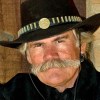

My pappy taught some valuable lessons about nature. He grew up a mountain man up in the back country of the mountains of Washington State and he learned more about understanding the total food web than anyone I’ve ever known.
Here are some words he gave me for one important aspect of my learning curve. Then he spent years teaching me how to do it.
He said, “Tell most folks to look at nature and they look far off. But to understand nature, you have to first look close, then slowly learn your way outward.”
He took me out to the garden in the back yard and first taught me to look very closely at an area one yard in circumference. That wasn’t much space, but after sitting there looking closely I had to admit there were a lot of living things.
He had me watch in the morning, in the high heat and in the evening cool. We even went out at night to turn on a flashlight to see a whole different set of critters.
I digress, but we humans are somewhat the same: Go to a downtown section of a major city during the middle of the day and look around at the people, then go back in the middle of the night to the same spot and look around at the people.
Sure enough, it is a very different cast of characters.
As with some people in the cities, the cast of characters in your garden in the middle of the night are rather prone to violence. But it is a killing field for food and survival with nocturnal insects, rodents and mammals.
That is why the dog starts barking in the middle of the night.
Whether it be day or night, the critters, plant life and interactions — who eats who, what territories are established for foraging, mating and nesting — all help explain the natural actions of the next wider ring of plants and critters and then the next and next.
By paying attention first to the nature under our noses, nature at the periphery of our vision or hearing begins to make much more sense.
I learned many great lessons of nature in this way. I humbly recommend trying this approach with your kids or grandkids.
— Capt. David Bacon operates WaveWalker Charters and is president of SOFTIN Inc., a nonprofit organization providing seafaring opportunities for those in need. Visit softininc.blogspot.com to learn more about the organization and how you can help. Click here to read previous columns. The opinions expressed are his own.
