

As part of Noozhawk’s Nov. 3 election coverage, we are publishing Q&As with board candidates for some special districts and education districts, including the Goleta Water District.
Two are appearing Thursday — Farfalla Borah and Sheldon Bosio — and the others will appear on Friday.
Candidate answers may have been lightly edited for spelling and formatting, but are otherwise presented as they were submitted.
The Goleta Water District is an independent special district governed by a five-member elected Board of Directors.
The general manager and staff members oversee day-to-day operations of the district, such as repairing and maintaining pipes, pumps, wells, water meters and other infrastructure; water quality testing; and customer service (billing, conservation, applications for new water meters).
Separate special districts oversee treatment of wastewater from the water district system: the Goleta Sanitary District and Goleta West Sanitary District.
Goleta Water District board members approve the district budget, including maintenance and capital improvement projects, approve water rates and charges, and are in charge of policy decisions like water supply planning and conservation strategies.

Recent board policy and budget decisions include: approving large, multi-year rate increases for residential and non-residential water customers; updating a permit to sell recycled water to interested agricultural customers; and saying no to the state’s proposed water tunnel project, along with several other local water agencies.
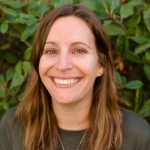
Candidate Farfalla Borah
Noozhawk: Why are you running for the Goleta Water District Board of Directors?
Farfalla Borah: The Santa Barbara South Coast has been my home for more than 40 years. I bought a home and moved to the Goleta Valley 16 years ago to raise a family.
I have a longstanding commitment to environmental protection and rational growth planning on the South Coast. Prior to my appointment to the GWD Board in November 2018, I attended the Board’s monthly meetings for almost two years to increase my understanding and knowledge of issues and challenges facing the GWD.
I wanted to better understand where the water coming out of my tap comes from and what the District does to ensure we get safe water delivered to our homes, farms and businesses in the Goleta Valley.
Following my retirement from UCSB, after 35 years of public service, I applied to fill a vacancy on the Goleta Water Board. I felt it was time to do more than just attend meetings as a concerned ratepayer and stepped up to serve my community.
Noozhawk: What personal and/or work experience would you bring to the organization?
Borah: Over the past four years, I’ve focused on fully understanding the scope and complexity of our interconnected water supply system, which includes Lake Cachuma, State Water Project, recycled water and water pumped from the Goleta Groundwater Basin.
I have helped influence important decisions on the Board, particularly the decision to invest in the infrastructure of our water system to ensure continued delivery of safe and reliable water.
In addition to serving on the Board, I am the district’s appointed representative to the Central Coast Water Authority (CCWA) and am working to ensure our region’s interests, both financial and environmental, are protected in decisions related to the State Water Project.
I am an attorney and an educator with significant skills, knowledge and abilities in the areas of team leadership, project management, negotiation, and problem solving. I believe that my training and experience, in combination with my demonstrated record of serving in this office, make me a viable and supportable candidate for the Board of the Goleta Water District.
Noozhawk: What do you see as the top issue facing the district right now, and how would you address it?
Borah: My No. 1 priority is protecting our water supply and delivery system. The District is a lifeline utility agency that delivers a life-sustaining resource. We have all experienced the impacts of power outages and know what it’s like to go for hours or even days without electricity, largely due to the electrical utility company’s failure to maintain their infrastructure.
The District water delivery system infrastructure is over 75 years old, e.g., 71% of 270 miles of pipeline are over 50 years old.The replacement cost for the Goleta Water District water delivery system is valued at $906 million. The current estimated cost of maintaining and repairing that system is $348 million.
The District has invested only $26.7 million in critical infrastructure and repair costs over the last 10 years. The current rate of investment in our infrastructure is not keeping our water delivery system safe or reliable. Failing to address these infrastructure projects increases the risk of critical system failures that will impact delivery of water to our homes, farms and businesses.
As a member of the Board, I will continue to support infrastructure repair and maintenance projects and make decisions that protect and ensure safe and reliable delivery of water to ratepayers in the Goleta Valley.
Noozhawk: The current Board of Directors recently approved water rate increases of 11 percent this year, 9 percent in 2022, 9 percent in 2023, and 9 percent in 2024.
Why did you vote to approve the rate increases?
Borah: I voted to approve a balanced budget to ensure the District continues to provide safe, reliable water to District customers. Our community demonstrated an outstanding commitment to conservation throughout eight years of drought and permanently reduced water usage by 20%. That’s the good news.
The bad news: the District is funded almost entirely by water rate revenues. Decreased water usage means less revenue to maintain and operate our water supply delivery system. Even with less water flowing through the system, we still have to pay for all of the infrastructure to treat and deliver that water. And the cost of treating the water has gone up.
Wildfires and drought have seriously impacted the water quality at Lake Cachuma. As a result, it costs more to treat water coming from the lake. The District must spend whatever it takes to meet state and federal drinking water standards. We can’t save money by cutting back on treatment costs.
The District is also obligated to pay fixed costs for the State Water Project averaging $8-9 million per year. We can’t save money by refusing to pay our debts.
As a result of all these challenges, the Board was faced with finding a way to balance increased costs with a potential annual structural deficit of approximately $10 million. Over the past two years, the Board has borrowed from dwindling reserves to cover budget deficits.
Those reserves need to be there for unplanned needs, not to balance the budget. Other candidates argue that the rate increases are the result of poor fiscal management, personnel costs or buying unnecessary and expensive vehicles. None of those allegations are supported by the evidence.
(The District replaced a few aging vehicles in the fleet with electric vehicles as part of the Board’s approved Sustainability Plan.)
The Board retained expert consultants to conduct an extensive evaluation and provide data driven recommendations for rate structures that would address our financial challenges. I reviewed all of the reports and participated in all of the meetings and hearings that led to the rate increase decision.
At the conclusion of a process that spanned more than six months, the Board majority (Hanson, Borah & Werner) voted in favor of rate increases that will generate sufficient revenues over the next five years to ensure safe and reliable delivery of water to our customers.
Noozhawk: How do you think the agency handled the financial and water supply challenges of the drought?
Borah: The GWD Board approved and implemented a Drought Preparedness and Water Shortage Contingency Plan in 2014 that provided a comprehensive and transparent response to significant drought in our region. Although I was appointed to the Board just as the drought ended, I believe the GWD Board’s earlier actions provided a strong policy foundation that allowed the District to be responsive and resilient.
Unfortunately, regional drought wasn’t the only challenge facing the District in recent years. Significant wildfires have impacted our regional watershed, increasing costs for water quality treatment at the same time permanent reductions in water usage by ratepayers have impacted revenues. I believe I can play an important part in representing the ratepayers on the Board as we face the new challenges ahead.
Click here to read more stories in the Noozhawk Election 2020 section.
Noozhawk has published election Q&As with other Goleta Water District board candidates including: